Alcohol and gelatin in Korean food: a check for Muslim travellers
K-Food Label · Updated Oct 31, 2026
Most Muslim visitors to Korea know to look for pork. Fewer know that alcohol and gelatin are almost as easy to run into. In the official label data for 4,830 Korean packaged foods, 812 (17%) mention an alcohol somewhere in the ingredient list, and 80 list gelatin.
None of the products in our data carry halal certification, so this is not a halal list. It shows where alcohol and gelatin appear on Korean labels and which words to look for, so you can decide for yourself in the shop.
The Korean words for alcohol on a label
Alcohol is rarely written as 알코올 (alkol, alcohol). Look instead for 주정 (jujeong, ethanol, also written 발효주정, fermented ethanol), 청주 (cheongju, clear rice wine), 맛술 (matsul, cooking wine), 미림 (mirim, sweet cooking wine like mirin), 미향 (mihyang, a cooking-wine brand name that is often written as the ingredient), 정종 (jeongjong, refined rice wine), 소주 (soju), 와인 (wine), 럼 (reom, rum), 리큐르 (liqueur) and 에탄올 (ethanol). 주정 is by far the most common. It goes into vinegar and soy sauce, carries flavourings, and helps bread and rice cakes keep.
Where the alcohol is: sauces first
Sauces and seasonings are the biggest group: 272 of 512 (53%) list an alcohol, mostly 주정 inside soy sauce, vinegar or chilli paste, plus 청주 and 미림 added for flavour. Ready-to-eat food such as triangle gimbap, dosirak and sandwiches is lower but still notable at 109 of 795 (14%); there it is mostly 미림 in the marinade for bulgogi and other cooked meat. Among snacks it is mainly in cakes, rice cakes and chocolate pies, and even Lotte Milkis, the milk-flavoured soda, lists 주정.
These counts come from a word search over the whole ingredient list, sub-ingredients included. They include processing-level uses, such as alcohol turned into vinegar, but leave out 당알코올 (dang-alkol, sugar alcohol), which is not ethanol. Scholars differ on trace and transformed alcohol; we only show where it is written.
Gelatin: usually pork, rarely named
80 products list 젤라틴 (jelatin, gelatin), and 41 of them are snacks: chewy candies, jellies, gummies and marshmallow pies such as Choco Pie. Only a few say which animal it comes from: 5 name pork (돼지, or 돈피, pig skin), 5 name beef (소, or 우피, cowhide) and 7 name fish (어피 or 피쉬젤라틴). The remaining 63 just say 젤라틴.
When the source is missing, read the allergen line. Pork is a mandatory allergen in Korea, and on nearly all of the gelatin sweets in the data, 돼지고기 (dwaeji-gogi, pork) is declared there, Crown My Chew and Lotte Choco Pie included. Orion Choco Pie writes it out in full as 젤라틴(돼지), pork gelatin. The main exceptions are some Greek-style yogurts, which use fish gelatin.
Products that list none of the three
Of the 4,257 products that publish allergen information, 1,809 (42%) list no pork, carry no shared-facility warning for pork, and have no alcohol or gelatin word in their ingredients. That is a shortlist, not a halal list: many of them contain beef or chicken that was not slaughtered under halal rules, including flavourings such as 쇠고기 분말 (beef powder).
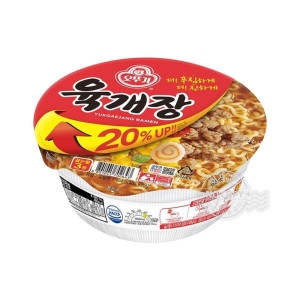
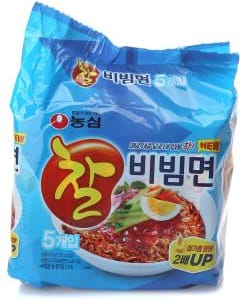
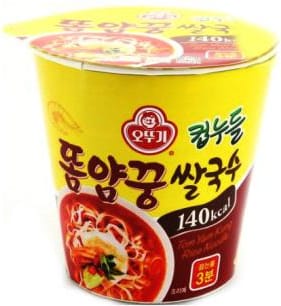
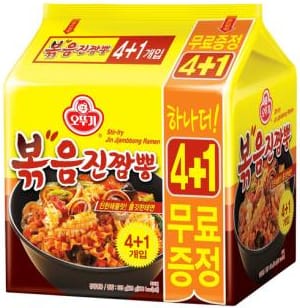
Ramen shows the problem well. The cups and packs below pass all three checks, but the most popular ones still list meat: Ottogi Yukgaejang Cup and Nongshim Chal Bibim Myeon list beef, and Samyang Buldak Hot Chicken Ramen lists chicken and, in its HACCP label data, beef. Read them as "no pork, alcohol or gelatin on the label", nothing more.
How to check a package in the shop
First look for a halal logo: certification is the only real assurance, and some Korean brands print it on export versions. Then read the allergen box (알레르기 유발물질, or the line ending in 함유, contains) for 돼지고기 (pork), 쇠고기 (beef) and 닭고기 (chicken). Next scan the ingredients for 주정, 청주, 맛술, 미림 and 젤라틴. If cross-contact matters to you, check the line that says 같은 시설에서 제조 (made in the same facility).
Our product pages run these checks and show the Korean words behind them; you can search by barcode. Part of the data comes from the HACCP dataset, which can be older than the package on the shelf, so the printed label wins.
Numbers are computed from the Food QR label data published by Korea’s Ministry of Food and Drug Safety and update every week. Products without allergen data (460) are excluded.